
Wahkiakum County
A Bridge to Better for Washington’s Smallest County
THE WORKING HERITAGE
Small in Size, Large in Identity
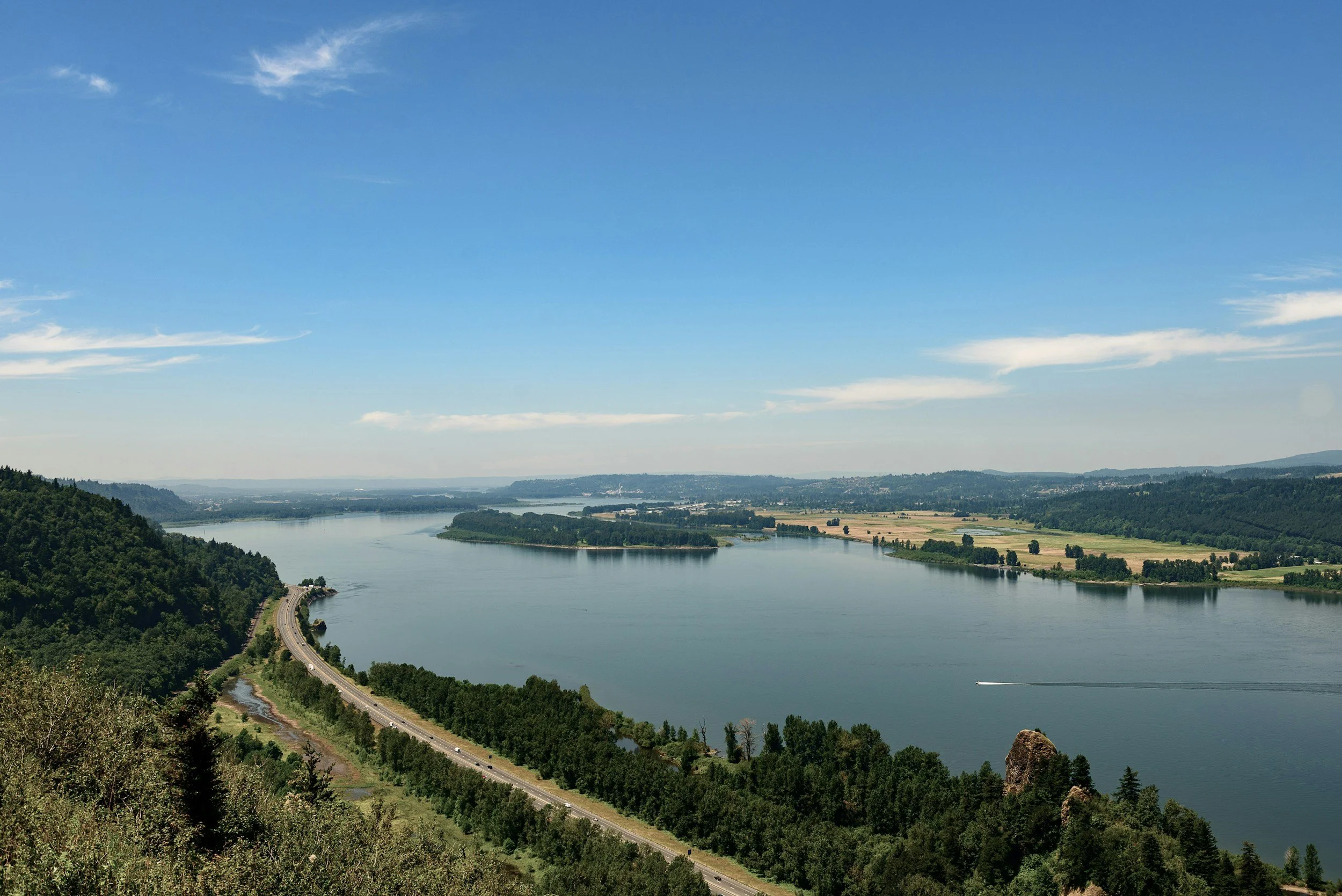
Wahkiakum County may be the smallest county in Washington, but it represents the working heritage of the Columbia River. Communities like Cathlamet, Skamokawa, Rosburg, and Grays River have long been connected to the rhythms of the river and the surrounding forests.
Life here requires resilience and independence. Generations of families have made their living through fishing, timber, farming, and small business. Those values of hard work and community still define Wahkiakum today.
LOCAL DRIVERS
At a Glance
Commercial Fishing

Agriculture & Farms

Timber & Forestry

Local Small Business
Our location along the river connects coastal communities with inland trade routes, making our regional strategy vital to the lower Columbia region.
ADVOCACY
A Strong Voice for Small Counties
In large population centers, policy debates often focus on urban priorities. But Wahkiakum reminds us that rural communities matter too. Because the population is small, our voice can sometimes be overlooked in state and federal discussions. That should never happen.
Strong representation in Congress means making sure that even the smallest communities in the district are heard when national policy decisions regarding natural resources and transportation are made.
CIVIC SPIRIT
Independent Thinking & Local Culture
Wahkiakum County has long been known for its strong sense of independence. It is home to people who have made a national impact while staying deeply connected to their community.
One example is Krist Novoselic, who lives in Wahkiakum County and helped found the Cascade Party. His work reflects a belief that local communities deserve a greater voice and practical leadership. That spirit of independent thinking reflects the character of Wahkiakum itself.
THE RIVER ECONOMY
The Columbia River Corridor
Wahkiakum County sits along one of the most important waterways in the United States. Protecting the health of the river while maintaining its role as a working economic corridor is essential.
The goal is responsible stewardship: balancing conservation with economic opportunity. Responsible fisheries management and sustainable industry must be guided by science and local experience—not by distant policymakers who have never visited the region.